Zillow Mortgage Calculator: Before You Buy
Mastering the Zillow Mortgage Calculator: Before You Buy

Buying a home is likely the largest financial transaction of your lifetime. Before you start scrolling through endless property listings or attending open houses, you need to know your purchasing power. Relying on guesswork or a simple principal-and-interest estimate can lead to financial strain or falling in love with a home you simply cannot afford. That is why exploring tools like the Zillow Mortgage Calculator before you buy is an essential first step in the homeownership journey.
While digital calculators cannot guarantee loan approval, they provide a realistic baseline for what your monthly financial commitments will look like. However, online estimates can sometimes be misleading if you do not understand the underlying components. Let's break down how to use these tools effectively, what costs are often left out, and how to align your budget with market realities.
Understanding the Core Components of Your Mortgage Payment
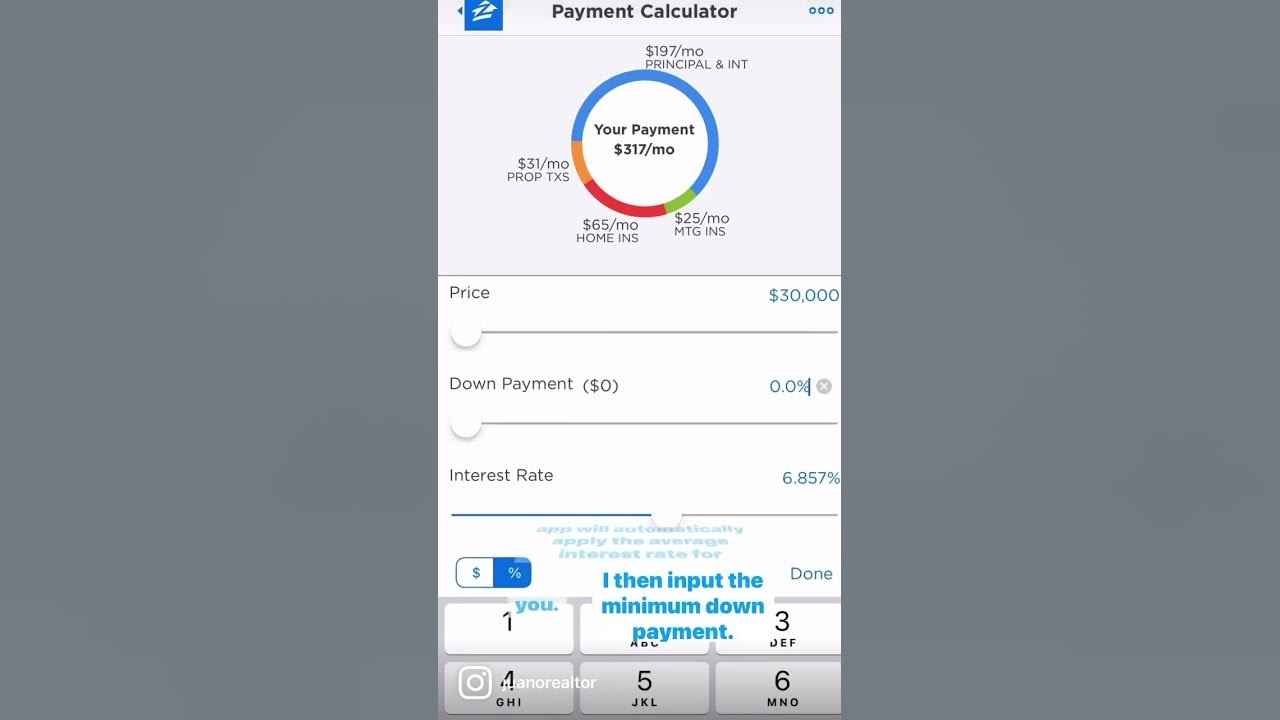
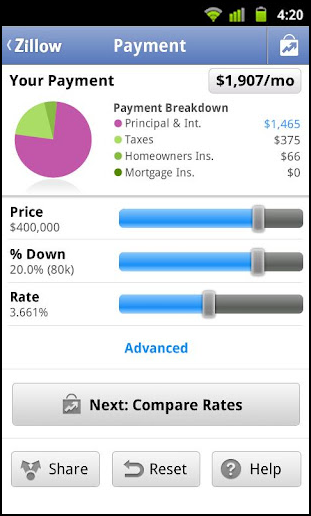
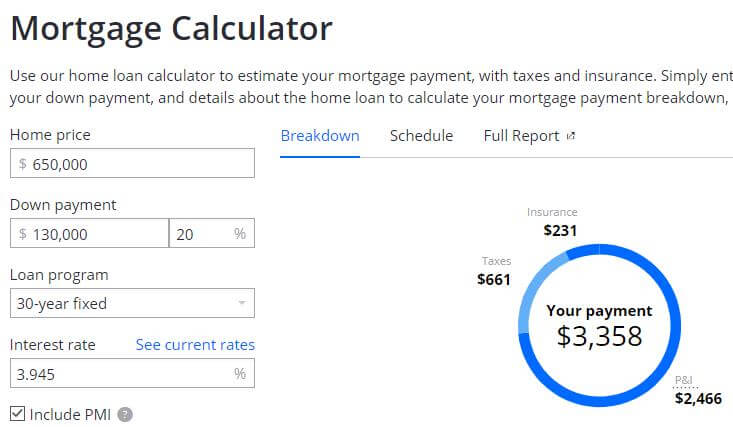
When most people think of a house payment, they think of the money going toward the bank loan. In reality, a standard monthly mortgage payment is made up of four distinct elements, commonly referred to as PITI. A robust mortgage calculator helps you parse out these individual costs.
Principal and Interest
The principal is the actual amount of money you borrowed to buy the home, while the interest is the fee charged by the lender for borrowing that money. In the early years of a traditional 30-year fixed-rate mortgage, a larger portion of your payment goes toward interest, gradually shifting toward paying down the principal over time.
Property Taxes and Homeowners Insurance
Lenders typically bundle property taxes and homeowners insurance into your monthly payment via an escrow account. The Zillow tool pre-populates estimated local tax rates and insurance costs based on the property address. However, these estimates are historical or generalized; local tax assessments can change rapidly after a property sale, shifting your actual monthly obligation.

Private Mortgage Insurance (PMI)
If you put down less than 20% on a conventional loan, your lender will require private mortgage insurance. PMI protects the lender in case of default. Calculators automatically factor in PMI based on your down payment percentage, adding anywhere from 0.5% to over 1% of the loan amount annually to your costs.
Hidden Costs Every Homebuyer Must Anticipate
One of the biggest mistakes buyers make is stopping their budgeting at the monthly mortgage payment generated by online tools. Real estate ownership comes with structural expenses that a standard loan calculator will miss entirely.
- HOA Fees: If you are buying a condo, townhouse, or a home within a managed master-planned community, Homeowners Association (HOA) fees are mandatory. These can range from $50 to over $1,000 per month and are rarely included in standard loan principal calculations.
- Maintenance and Repairs: Financial experts generally recommend setting aside 1% to 2% of your home's purchase price annually for routine maintenance. Roof leaks, HVAC replacements, and plumbing fixes are entirely your responsibility.
- Closing Costs: Buying a home requires upfront cash outside of your down payment. Closing costs—which cover loan origination fees, appraisal fees, title insurance, and legal fees—typically add 2% to 5% of the loan amount to your initial out-of-pocket expenses.
How to Use the Zillow Mortgage Calculator Strategically
To get the most accurate results from the Zillow Mortgage Calculator before you buy, you need to customize the default settings. Do not just accept the generic figures the platform provides.
- Input your exact credit score range: Interest rates vary significantly based on creditworthiness. Adjusting this slider changes your monthly interest projection drastically.
- Test different down payment scenarios: See how increasing your down payment from 5% to 20% affects your monthly payment by eliminating PMI and reducing the total loan size.
- Adjust local tax and insurance inputs: If you know the specific tax history of the neighborhood you are targeting, manually override the default estimates for maximum accuracy.
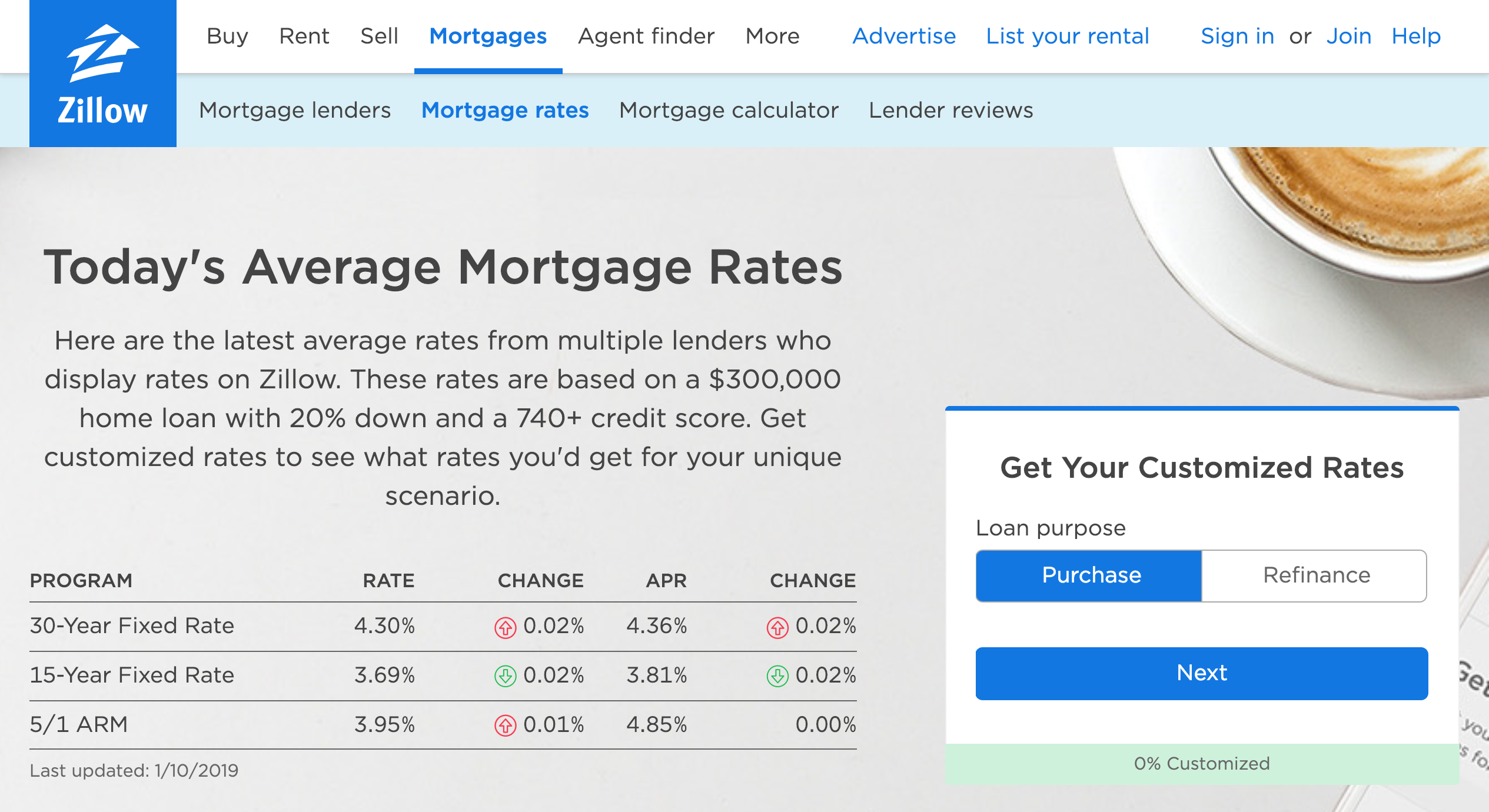
- Factor in current interest rates: Default rates on calculators can lag behind real-time market fluctuations. Check current daily averages and plug that exact APR into the calculator.
Moving from Online Estimates to Real Pre-Approval
An online calculator is a fantastic brainstorming instrument, but it is not a substitute for a lender's pre-approval letter. Once you have used digital tools to establish a comfortable price range and savings goal, your next move should be talking to multiple mortgage lenders.
Shop around for the best rates, loan terms, and customer service. Lenders will look closely at your debt-to-income (DTI) ratio, employment history, and verified assets to give you a definitive picture of what you can borrow. By combining the exploratory power of the Zillow Mortgage Calculator with professional financial guidance, you will step into the real estate market with confidence, clarity, and control.