Zillow Seattle WA: Micro Housing Truths
When you browse listings on Zillow Seattle WA, you will quickly notice a unique fixture of the Pacific Northwest rental market: the micro-studio. Often marketed as apodments, P-Pods, or simply micro-housing, these compact living spaces have sparked intense debate among city planners, neighborhood advocates, and prospective renters alike. As housing costs in the Emerald City continue to outpace wage growth, micro-housing has emerged as a controversial yet vital pressure valve for the local real estate ecosystem.
Understanding what these spaces actually offer requires looking past the glossy marketing photos and examining the real-world economics of Seattle density. This guide explores the truth behind Seattle's micro-housing trend, how to navigate these listings, and whether living in 150 square feet is right for you.
What Is Micro Housing in Seattle?
Micro-housing is not a monolithic product, but rather a catch-all term for several distinct types of small-footprint rental units. Most micro-studios range between 150 and 250 square feet. Despite their tiny size, they are fully self-contained apartments featuring private bathrooms and compact kitchenettes.
However, the real hallmark of early Seattle micro-housing was the congregate residence. In these setups, tenants rented private sleeping quarters—sometimes as small as 90 square feet—and shared massive, commercial-grade communal kitchens and laundry facilities with dozens of other residents on their floor.
The Evolution of Apodments and P-Pods
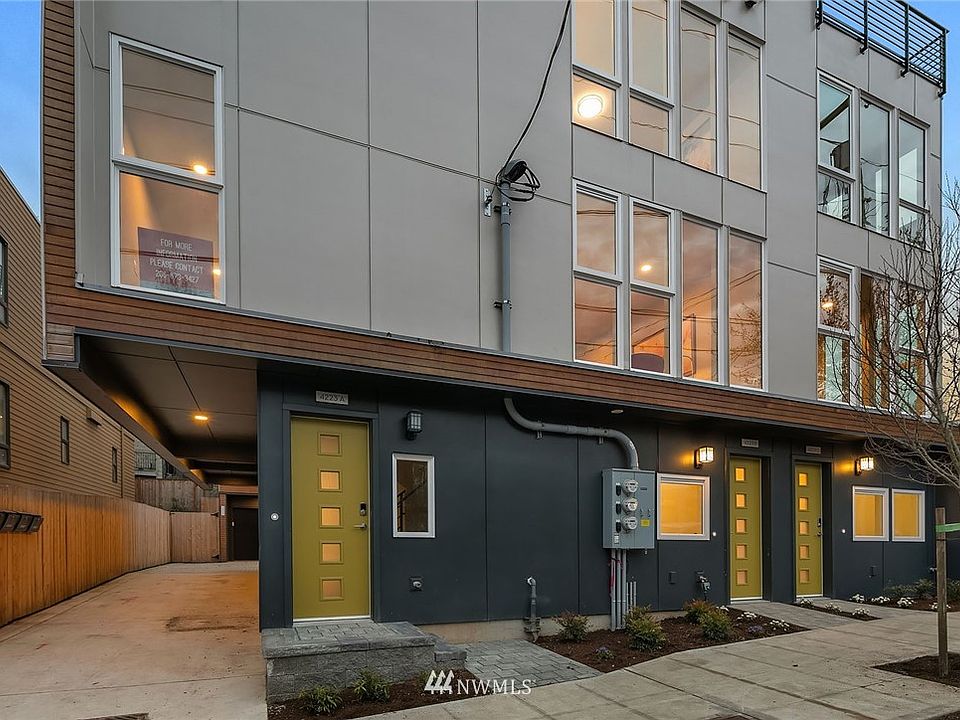
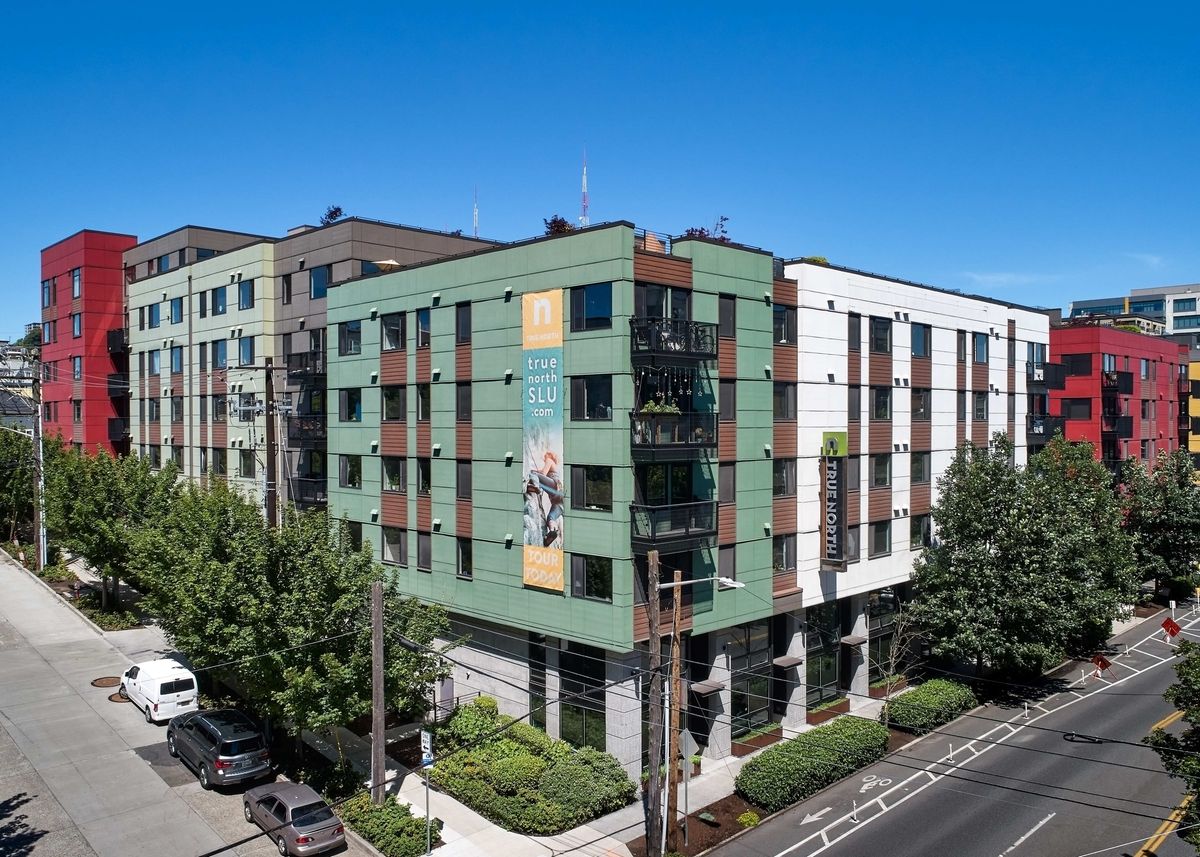
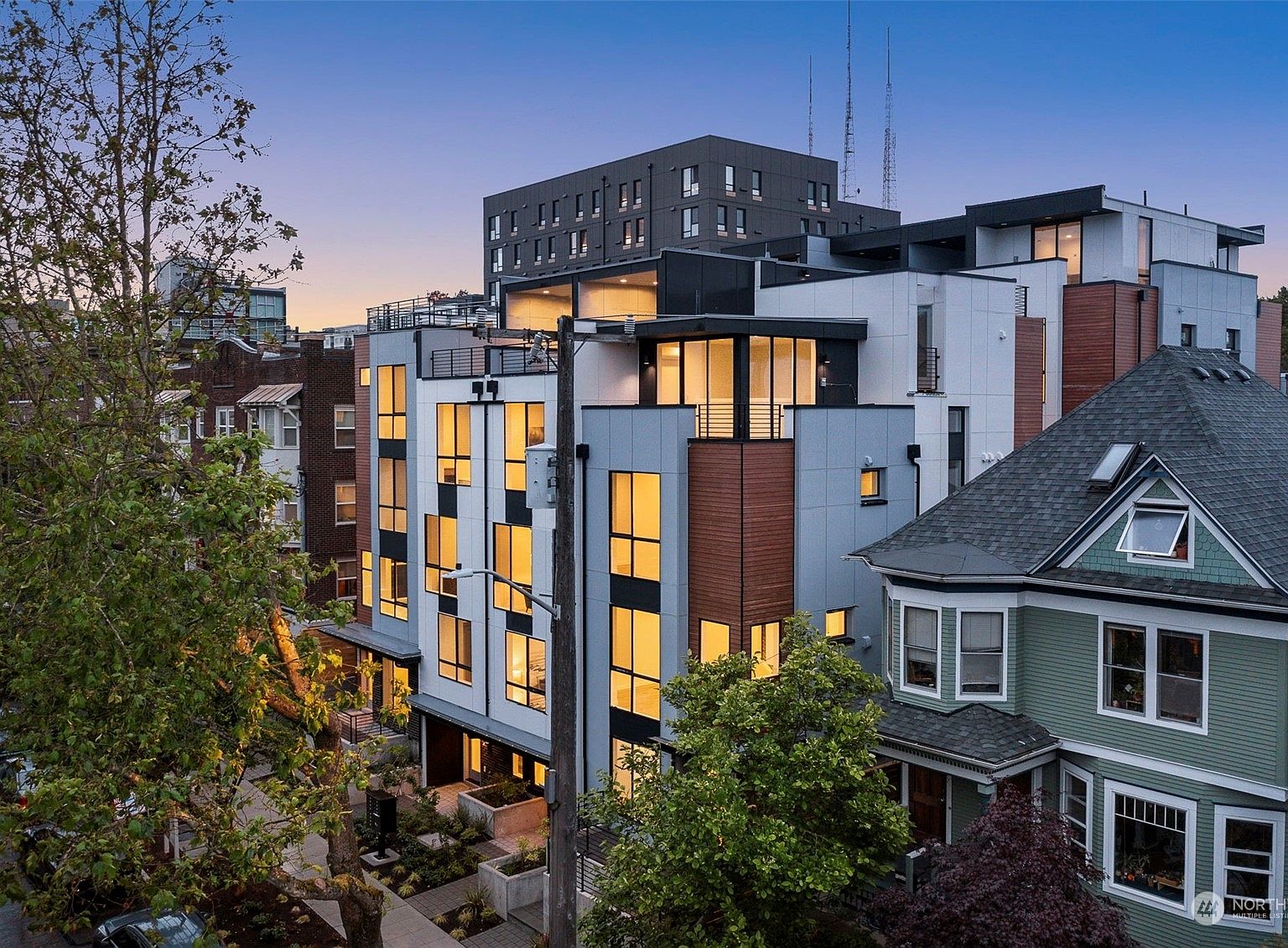
Over the last decade, developers responded to zoning changes by building hundreds of these units in neighborhoods like Capitol Hill, the University District, and Ballard. When you search for them on platforms like Zillow Seattle WA, you will notice a shift in newer buildings:
- First-generation micro-housing: Shared kitchens, very small private rooms, and lower monthly price points designed for students and transient workers.
- Second-generation micro-studios: Private kitchenettes with two-burner cooktops and mini-fridges, appealing to young professionals seeking independence without roommates.
The Economics: Cost vs. Value
The primary driver behind the micro-housing trend is affordability. In a city where a traditional one-bedroom apartment routinely commands over $2,000 a month, a micro-studio often lists for $1,000 to $1,400. For many renters, trading square footage for a lower rent check is a pragmatic financial decision.
Furthermore, many micro-housing units include utilities and high-speed internet in the base monthly rent. When you factor in the elimination of separate utility bills and furniture costs—since many units come partially furnished with a bed, desk, and mounted television—the financial savings become even more pronounced.
Hidden Costs to Watch For
Before signing a lease found on Zillow Seattle WA, renters should scrutinize the fine print. Not all micro-housing deals are as economical as they appear:
- Square footage price ratios: While the absolute rent is lower, the price per square foot is often astronomically higher than a standard apartment.
- Lack of rent stabilization: Many newer micro-housing developments do not fall under older rent control definitions, leaving them vulnerable to steep annual hikes.
- Parking scarcity: Most micro-housing projects are built without dedicated parking stalls, relying on Seattle's restricted street parking.
Zoning Battles and Neighborhood Pushback
The rise of micro-housing has not occurred in a vacuum. For years, neighborhood councils and long-term residents pushed back against micro-housing developments, arguing that they strained neighborhood infrastructure, increased parking congestion, and fundamentally altered the character of low-rise residential zones.
City officials eventually responded by tightening design standards. Newer developments are required to provide better waste management areas, integrate more aesthetic exterior designs, and undergo more rigorous design reviews. Despite these hurdles, demand for affordable, centrally located urban housing remains relentless, ensuring micro-units remain a permanent fixture of the Seattle skyline.
Is Micro Housing Right for You?
Living in a space the size of a standard master bedroom requires a minimalist mindset and a high tolerance for urban density. If you spend most of your day at an office, traveling, or exploring Seattle's parks and cafes, a micro-studio can serve as an efficient, low-maintenance urban basecamp.
However, if you work from home full-time, own significant furniture, or value spacious culinary setups, the walls can quickly feel like they are closing in. Before committing, take time to visit units in person rather than relying solely on Zillow Seattle WA floor plans, and evaluate how you manage physical possessions in tight quarters.
Conclusion
Seattle's micro-housing trend represents both a symptom of the city's affordability crisis and a creative market solution to high-density living. While they are not a silver bullet for the housing shortage, these compact spaces provide a vital rung on the housing ladder for thousands of residents. By understanding the true trade-offs in cost, space, and community living, you can make an informed decision when evaluating these unique listings.